
You are being redirected to PESI Rehab...

11 Essentials for Self-Harm Recovery: Helping Children & Teens Reclaim Their Lives
- Faculty:
- Tony L. Sheppard, PsyD, CGP, FAGPA,
- Duration:
- 5 Hours 27 Minutes
- Format:
- Audio and Video
- Copyright:
- May 15, 2015
- Product Code:
- WDS020188
- Brochure Code:
- WDBHESSE (B)
- Media Type:
- Digital Seminar
- Access:
- Never expires.

Description
Working with Clients who Self-Injure Raises Many Questions:
- • How does it differ from suicide?
- • Do I have to report it?
- • What do I tell parents?
- • What is the role of the school?
- • Does social media hurt or help?
- • Is hospitalization required for kids to improve?
In this seminar, Dr. Tony Sheppard answers these questions and more as he guides you through a multisystemic approach to assessment and treatment of non-suicidal self-injury. This course focuses not only on risk assessment, but also provides a practical guide to working effectively with clients — covering simple assessment and management of self-injury as well as more significant care, such as residential treatment and management of multiple self-harm behaviors. Several interventions will be examined in-depth, including motivational interviewing; cognitive treatment; replacement skills; and adjunctive family, group, and psychiatric therapies. Throughout the course, we will investigate the underlying motivations behind self-harm behaviors, identifying complications related to trauma and/or body image issues. By the end of the day, you will feel confident in your ability to match interventions to individual clients (stepping up or increasing treatment as necessary), while preventing and responding to potential treatment pitfalls and legal/ethical issues.
Course Content
Defining NON-SUICIDAL SELF-INJURY (nssi)
Conceptualizing the Problem
- Primary motivations
- Controlling external/internal environment
- Impacts on various settings
- Neuropsychology of NSSI
- NSSI and trauma
Assessing the Problem
- NSSI and suicide
- Statistics
- Differential diagnosis
- Clinical assessment/screening
- Formal assessment tools
- 5 questions every therapist should ask during assessment
Treating the Problem
- Multi-systemic approach
- Engaging families, school, peers, social media
- Determining who needs to know/how much they need to know
- Working with parents
- The role of the school
- The role of peers
- Social media
- Replacement behaviors
- Using the stages of change/MI model in treatment
- Assessing readiness
- Gauging interventions
- Sustaining and maintaining recovery
- 6 key components of therapeutic intervention
- Developing distraction strategies
- Building coping skills
- Enhancing self-esteem and self-acceptance
- Improving relationships and relational skills
- Addressing Trauma (“big T” and “little t”)
- Developing problem-solving skills
- The role of adjunctive therapies
Legal & Ethical Issues
- Assessing properly is key
- Screening for NSSI at intake
- Documentation/diagnosis
- Treatment planning
- Reporting
- Schools tend to have stricter reporting rules than mental health settings
- Factors in reporting
- Involving other professionals
- Balancing the clinical and the legal
Integration of Learning
- Group treatment planning activity
Credits
Faculty

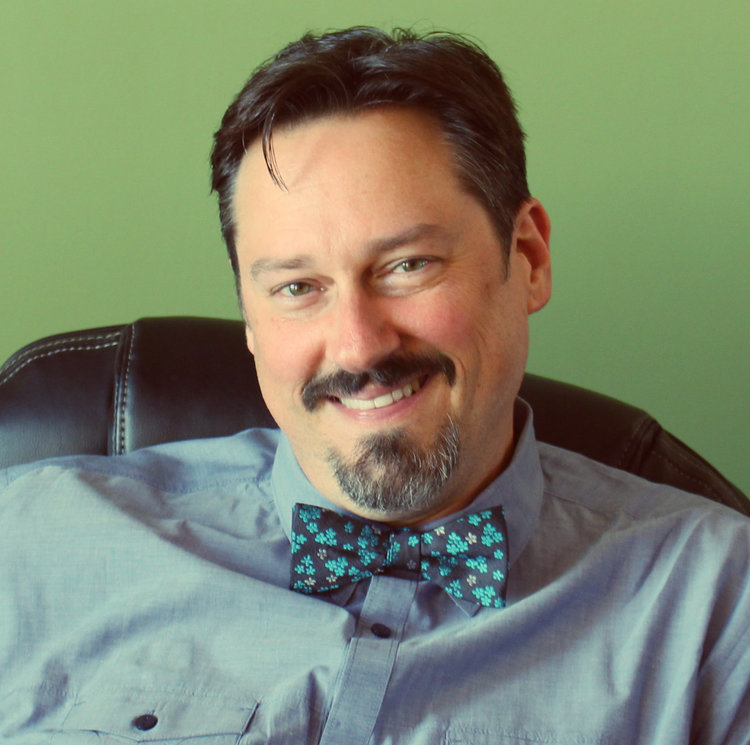
Tony L. Sheppard, PsyD, CGP, FAGPA, Related seminars and products
TONY L. SHEPPARD, PsyD, CGP, FAGPA, is a licensed clinical psychologist with a background that spans community mental health, residential, inpatient, and private practice settings with children, youth, and adults. He is the founder and director of Groupworks, a psychology practice in Louisville, KY specializing in group therapy with children, adolescents, and their families. The Groupworks teen program treats youth with emotional problems, frequently including NSSI, and Dr. Sheppard has led a number of workshops on NSSI for psychologists, case managers, educators, and nursing staff. He completed his graduate training in the School of Professional Psychology at Spalding University in Louisville. In addition to his clinical work, Dr. Sheppard teaches group psychotherapy for the program, and Groupworks serves as a training site for advanced doctoral students.
Additional Info
Program Information
Access for Self-Study (Non-Interactive) Access never expires for this product.Target Audience
Psychiatrists, Psychologists, Social Workers, Counselors, Marriage and Family Therapists, Psychiatric Nurses, Case Managers, Alcoholism and Drug Abuse Counselors, Mental Health Administrators, Educators, Guidance Counselors
Reviews
| 5 |
|
| 4 |
|
| 3 |
|
| 2 |
|
| 1 |
|
Overall: 4.4
Total Reviews: 54
Satisfaction Guarantee
Your satisfaction is our goal and our guarantee. Concerns should be addressed to: PO Box 1000, Eau Claire, WI 54702-1000 or call 1-800-844-8260.
ADA Needs
We would be happy to accommodate your ADA needs; please call our Customer Service Department for more information at 1-800-844-8260.
Please wait ...