
You are being redirected to PESI Rehab...

Activities of Daily Living (ADLs): Assessment and Intervention in the Clinic and at Home
- Faculty:
- Jose R. Rafols, OTD, MHSA, OTR/L,
- Duration:
- 5 Hours 25 Minutes
- Format:
- Audio and Video
- Copyright:
- Dec 30, 2015
- Product Code:
- WDS020089
- Brochure Code:
- WDPTADL2-V2
- Media Type:
- Digital Seminar
- Access:
- Never expires.

Description
ADLs—The Building Blocks to Patient Recovery and Rehabilitation
When assessing and treating various patient diagnoses, one common denominator exists—activities of daily living. What brings the patient to your clinic is the inability to function as they did before their illness or injury. The rehabilitation professional must parlay his/her understanding of the diagnosis and how it affects activities of daily living into a treatment plan, so that the patient's functional independence can be restored. When therapists and nurses communicate in functional terms with physicians, case managers, and third party payers, they are able to show patient progress in functional and simple language that is applicable to professionals and laypersons alike. Relating the patient diagnosis to affected ADLs not only helps the health care team better understand the treatment plan, it justifies the need for multidisciplinary intervention.
This dynamic, one-day seminar will provide participants with a working knowledge of how ADLs are weaved into the patient's therapeutic intervention. You will learn to use ADLs as a treatment modality and to view daily occupations, self-care skills, and leisure interests as important building blocks to patient recovery and rehabilitation. This course will examine the full spectrum of patient care from geriatric populations in skilled nursing facilities and adult living facilities to pediatric settings. You will discuss treatment plans, explore ideas, and evaluate interventions through case studies. Attendees will leave the seminar better equipped to incorporate ADLs into therapeutic goals and treatment plans and to document each case effectively.
COURSE CONTENT
INTRODUCTION
How activities of daily living (ADLs) and instrumental activities of daily living (IADLs) are used in treatment
EVALUATION AND TREATMENT OF ADL/IADL
- Neuromotor dysfunctions
-cerebral vascular accidents (CVA’s)
-muscular dystrophy and multiple sclerosis
-Parkinson’s disease
-Alzheimer’s disease
- Cardio/pulmonary dysfunctions
-congestive heart failure and coronary artery disease (CAD)
-respiratory complications
- COPD
-emphysema
-asthma
-aspiration from improper posture and feeding techniques
-proper breathing techniques during feeding tasks
- Orthopedic dysfunctions
-osteoarthritis
-rheumatoid arthritis
-joint limitation due to fractures and disuse atrophy
-hip and knee joint replacement
AGE RELATED FACTORS THAT AFFECT ADL/IADL
- Pediatrics
- Adults
- Geriatrics
HOME ASSESSMENTS AND HOME SAFETY
- Home environment interview
- Visiting the patient’s home to assess for a safe environment
- Returning the patient to a barrier-free home environment
- Recruiting allies—the spouse, caregiver, parent, child, etc.
- Use of assessment tools, checklists (a systematic approach)
MOBILITY AND ADLS
- How impaired mobility affects ADLs and self-care skills
- Decreased functional mobility in the kitchen, bathroom, and in entry/exit-ways
ACTIVITY ANALYSIS (A2) TO FACILITATE ADL INDEPENDENCE
- Assess the process, not the task itself
- Helps the therapist simplify the task at hand
- Allows the patient to visualize problem areas better
ADLS AND ADAPATIVE EQUIPMENT
- ADL equipment used in the clinic and at home
- When to use, when not to use
- Adaptive equipment—a hindrance or a help?
- Practice—first in the clinic then at home
DOCUMENTING AND GOAL WRITING
- Use of functional and practical ADL terminology
- Use of key indicators when writing functional goals
- Justifying therapeutic and functional interventions
CASE STUDIES AND GROUP COLLABORATION
Credits
Faculty
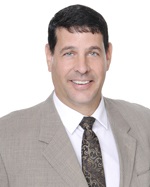
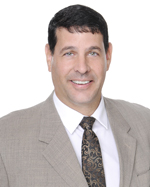
Jose R. Rafols, OTD, MHSA, OTR/L, Related seminars and products
JOSE R. RAFOLS, OTD, MHSA, OTR/L, is a licensed occupational therapist with more than 28 years of experience in clinical orthopedics and 18 years of experience in upper extremity rehabilitation, hand–injuries, diabetic foot and wound care, neurological injuries, traumatic brain injury (TBI), geriatrics, and adult rehabilitation. He is president and owner of Therapeutic Home–Bound Services Corporation (THS–Corp), which provides tailored and personalized private occupational therapy services for South Florida.
Dr. Rafols retired from the U.S. Army Specialty Corps in February 2012 after serving more than 27 years of combined active and reserve duty in the U.S. Navy, U.S. Marine Corps, and U.S. Army. Dr. Rafols has held the positions of Executive Officer 7217th MSU, Company Commander 324th VSH, and Chief and Assistant Chief of the Occupational Therapy Department at Eisenhower Army Medical Center, Fort Gordon, GA. In 2011, Dr. Rafols returned from a 12–month combat deployment with the 101st Airborne Division's 3rd & 4th Brigade Combat Teams (BCTs) to Paktika Providence in Eastern Afghanistan. There he worked to set up and provide clinical rehabilitation for soldiers with post–blast injuries, ranging from mild–traumatic brain injury (TBI) to polytrauma.
Dr. Rafols is a seasoned instructor, having presented master's level instruction in the occupational therapy program at Florida International University in Miami, Barry University, and the Medical College of Georgia in Augusta, as well as numerous international, national, and regional conferences. In addition, he is a member of the American Occupational Therapy Association, Florida Occupational Therapy Association, Association of Caribbean Occupational Therapists, Reserve Officers Association, and American Military Surgeons of the United States (AMSUS); and writes for publications such as NEWS–Line for Occupational Therapists and COTAs and OT Practice. Dr. Rafols assumed a new position in July 2012 at South University, West Palm Beach, Florida, as the program director of a blinded Occupational Therapy Doctorate. His interests include growing tropical fruit in a small farm located in southwest Miami–Dade County and partnering with NGOs to empower underserved countries with clinical education and hands–on intervention.
Additional Info
Program Information
Access for Self-Study (Non-Interactive) Access never expires for this product.Target Audience
Occupational Therapists, Certified Occupational Therapy Assistants, Physical Therapists, Physical Therapist Assistants, Social Workers, Registered Nurses, Licensed Practical Nurses, Certified Nurse Assistants
Reviews
| 5 |
|
| 4 |
|
| 3 |
|
| 2 |
|
| 1 |
|
Overall: 4.2
Total Reviews: 104
Satisfaction Guarantee
Your satisfaction is our goal and our guarantee. Concerns should be addressed to: PO Box 1000, Eau Claire, WI 54702-1000 or call 1-800-844-8260.
ADA Needs
We would be happy to accommodate your ADA needs; please call our Customer Service Department for more information at 1-800-844-8260.
Please wait ...