
You are being redirected to PESI Rehab...

Calming the Brain through Mindfulness: Rewire Emotions with the Power of Neuroplasticity
- Faculty:
- Mark L. Beischel, EdD,
- Duration:
- 5 Hours 14 Minutes
- Format:
- Audio and Video
- Copyright:
- May 24, 2016
- Product Code:
- WDS020113
- Brochure Code:
- WDBHCALM
- Media Type:
- Digital Seminar
- Access:
- Never expires.

Description
Mindfulness offers a set of simple, powerful tools that can help heal past traumas and break cycles of depression, anxiety, addiction, and emotional dysregulation. In this seminar, you'll practice real world applications of mindfulness that can open new doors for your clients. Discover how to harness the power of neuroplasticity through mindfulness practices (included meditation and non-meditation skills), direct growth in mindfulness and self-regulation skills with children and adults of all ages, and guide efforts in moment-to-moment resilience and non-reactivity. In addition to discussing mindfulness applications for numerous diagnoses, we will explore effective mindfulness-based solutions for many common scenarios, including school failure, delinquency, poor ability to keep jobs, unstable relationships, and many more.
Course Content
THE NEUROBIOLOGY OF MINDFULNESS
- Our brains are social by nature
- The foundation is set during the first year of life
- “Relational trauma” according to Schore
- The limbic system
- Frontal lobe development
- The “Executive” control center
- Neurotransmitters
- DNA telomeres
iNVESTIGATING THE SOCIAL/EMOTIONAL BENEFITS OF MINDFULNESS
- Evolution of the cortex and survival
- Fear and anxiety resolved through relationships including spiritual
- Intimacy and the mirror neurons
- The development of attunement
- Intimacy skills:
- Self-awareness
- Empathy
- Communication of emotions
- Conflict resolution
- Sustaining commitment
- The neurobiology of mindfulness meditation
- Emotional benefits of mindfulness
mINDFULNESS AND EMOTIONAL REGULATION
- The evolutionary function of fear and anxiety
- Fast and slow circuits
- Fears and anxieties
- Stress and hippocampal damage
- Regulating fear
eLICITING The Relaxation Response: Research of Herbert Benson
- Eastern meditation and visualization
- Gains through Benson’s method
- Genes expressed differently
- Anxiety and depression
- Cancer
- Heart disease
- The relaxation response also elicited by:
- Physical exercise
- Music
- Repetitive prayers
- Benson’s eight-step program for eliciting the relaxation response
Mindfulness in Mental Health Treatment
- Mechanisms of action
- Focusing on the present
- Definition of Shapiro and Kubat-Zinn –self-regulation and self-management
- Re-perceiving non-judgmentally
- Eight themes of Teasdale, Williams, and Segal
- Rogers' mindfulness exercise
- Mindfulness, spirituality, and cultural competence
- The therapist's mindfulness attitudes:
- Self-compassion and attunement
- Empathy and attunement with others
- Emotional regulation
Eastern and Western Meditation
- History of Eastern and Western meditation
- The "Desert Fathers"
- Evolution of meditation and contemplation
- Neuroscience of meditation and contemplation
- Maslow's self-actualizing characteristics and meditation
- Attachment theory, meditation and self-actualization
- Newberg's research on the "Centering Prayer" of Keating
Mindfulness training and interventions for
- Children and adolescents
- Emotional regulation disorders
- Chronic depression
- Anxiety disorders
- Addiction treatment
Case Study
- Mindfulness practices help penitentiary inmate form an intimate relationship and develop responsible parenting skills
Credits
Faculty
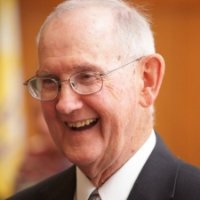
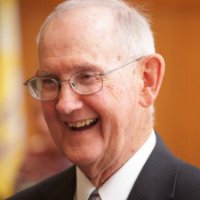
Mark L. Beischel, EdD, Related seminars and products
MARK L. BEISCHEL, EdD, is licensed psychologist, professor, speaker, and author with over 40 years of experience working with children and adults in a variety of clinical settings. Although technically “retired” from his post as Professor of Psychology in the Schools of Education and Professional Studies at Peru State College, he continues to teach brain-based graduate courses there as an adjunct professor. Over the years, he has also provided clinical services in the Nebraska State Penitentiary, psychiatric hospitals, and private practice. Dr. Beischel has presented at numerous national and international conferences, and authored multiple books as well as articles in the Journal of Counseling and Development, the American Personnel and Guidance Journal, and Teaching of Psychology.
Additional Info
Program Information
Access for Self-Study (Non-Interactive) Access never expires for this product.Target Audience
Psychologists, Social Workers, Counselors, Marriage and Family Therapists, Alcoholism and Drug Abuse Counselors, Educators, Case Managers, Nurses, Nurse Practitioners, Pastoral Counselors
Reviews
| 5 |
|
| 4 |
|
| 3 |
|
| 2 |
|
| 1 |
|
Overall: 4.3
Total Reviews: 86
Satisfaction Guarantee
Your satisfaction is our goal and our guarantee. Concerns should be addressed to: PO Box 1000, Eau Claire, WI 54702-1000 or call 1-800-844-8260.
ADA Needs
We would be happy to accommodate your ADA needs; please call our Customer Service Department for more information at 1-800-844-8260.
Please wait ...