
You are being redirected to PESI Rehab...

Child and Adolescent Self-Injury: Practical Assessment and Treatment Approaches
- Faculty:
- David Kamen, PhD,
- Duration:
- 5 Hours 45 Minutes
- Format:
- Audio and Video
- Copyright:
- Dec 30, 2015
- Product Code:
- WDS020550
- Brochure Code:
- WDBHSINJ2 (B)
- Media Type:
- Digital Seminar
- Access:
- Never expires.

Description
Children and adolescents who deliberately inflict physical pain and injury to their bodies vary in terms of their motives and self-harming methods. Feeling shame and embarrassment, these children may privately console themselves, or befriend other self-injurious peers—which can further intensify the lethality and suicidal intent of their acts. As a result, studies show that professionals who work with youth who self-injure find it to be one of the most challenging of psychological and behavioral issues. Mental health professionals, pediatricians, school counselors and teachers, and youth workers have all conveyed that they feel ill-equipped to help these children. The incidence of youth self-injury has risen in our schools and homes, affecting all socioeconomic classes. Further still, self-harming children may be experiencing any number of psychiatric disorders—from Major Depressive Disorder, to Obsessive-Compulsive Disorder, to bulimia and anorexia, to alcohol and substance abuse.
This seminar will thoroughly educate mental and medical health professionals, school counselors and teachers about the assessment and treatment of youth self-injury. Evidenced-based reviews, complete with case examples, will explain the theoretical, historical and cultural reasons for this problem. Practical approaches for individual and group psychotherapy, with resources to help professionals advocate for these children, will be offered. To help you formulate a comprehensive treatment plan, specific interview questionnaires and note-taking methods will be discussed. Well-established motivational interviewing, family therapy and play therapy techniques will be covered with step-by-step instruction and demonstration. Participants will leave this seminar confident that they can identify and quickly treat this damaging condition.
Course Content
The Theory, History and Cultural Origins of Youth Self-Injury
- History of youth self-injury, with cross-cultural comparisons of the problem
- Cognitive-behavioral, psychodynamic, family systems, feminist and neuropsychological perspectives on youth self-injury
- Comparative analysis of suicidal, para-suicidal and non-suicidal self-injury
Empirical Review on Youth Self-Injury
- Epidemic facts on the incidence and prevalence of youth self-injury
- Psychiatric and medical comorbidity associated with youth self-injury, including:
- Reactive Attachment disorder
- Obsessive-Compulsive Disorder
- Post-Traumatic Stress Disorder
- Major Depressive Disorder
- Disruptive Behavior Disorders
- Case study review
Signs of Self-Injury
- Types of self-injurious behaviors in children and adolescence
- Behaviors that should be a “red flag”
- Who is most at risk of developing self-injurious behaviors?
- Clinical onset, development and prognosis of injurious behaviors
- Individual emotional and cognitive causes of self-injurious behavior
- Deep psychological sources of self-injury, including masochism and narcissism
- Family conflict, peer pressure and social contagion that causes self-injury
The Clinical Assessment of Youth Self-Injury
- General diagnostic interview and mental status examination
- Suicidal and lethality risk assessment
- Personality assessment
- Norm-referenced youth self-injury inventories for:
- objectively measuring self-injury risk and protective factors
- suicidal thoughts, emotions and attitudes
- Collateral interviews with parents, teachers and other health care professionals
diagnosing self-injurious behavior
- Mood Disorders
- Obsessive-Compulsive Disorder
- Post-Traumatic Stress Disorder
- Attachment Disorder
- Borderline Personality Disorder
- Bipolar Disorder
The Treatment of Youth Self-Injury
- Ethical considerations, including confidentiality and duty-to-warn policies
- Treating the behavior as an addiction and as an obsessive-compulsive feature
- The 4-Step Assessment and Treatment Approach
- emergency triage and case conceptualization
- functional analysis of self-injury behaviors and reinforcements
- Motivational Interviewing—to treat self-injury as an addiction
- Exposure Therapy—to treat obsessive-compulsive features of self-injury
- Counseling Techniques
- “No talk” Play therapy
- cognitive-behavioral
- psychodynamic
- family systems counseling
- group psychotherapy approaches
- dynamic
- existential
- cognitive-behavioral
- Pharmacotherapy
- commonly prescribed medications
- when to send out a referral
- contraindications
- Self-care techniques for clients to use when the urge is strong
- Coordination of care with educators, medical and mental health care professionals
- developing a collaborative team of professionals
- relapse prevention
- Tips for professional self-care—to prevent you from getting vicarious traumatization
- Examination of community resources and references
What You Will Learn
- Learn the epidemic facts on youth self-injury
- Examine the historical, cultural and theoretical perspectives on youth self-injury
- Outline the spectrum of self-injurious behaviors in children and adolescents
- Recognize and be able to distinguish between suicidal, para-suicidal and non-suicidal self-injurious behavior in children and adolescents
- Discuss self-injury etiology, assessment and intervention/prevention issues
- Understand the psychiatric disorders of the children who self-injure
- Examine evidence-based reviews and practical approaches for the hospital, therapy room, school, and community
- Discover how to use play therapy, including art therapy, sand-tray therapy, journaling methods, music and crafts to build self-esteem and confidence in youth who self-injure
- Discover Internet resources to further develop self-injury assessment and therapy skills demonstrated during this seminar
- Discover ethical risk-management methods, to effectively advocate for youth who self-injure, to minimize professional risks and maximize outcome for your clients
- Discuss case studies relevant to the treatment of self-injury
Credits
Faculty
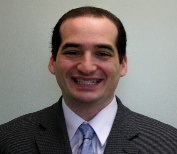

David Kamen, PhD, Related seminars and products
DAVID KAMEN, PhD, is a clinical psychologist licensed in New Hampshire and Massachusetts, where he works regularly with children and adolescents who engage in self-injurious behavior. In full-time practice for almost 15 years, Dr. Kamen makes frequent use of psychodynamic, cognitive-behavioral, and family systems approaches. As a disability examiner, certified guardian ad litem, and professional conduct investigator for the New Hampshire Board of Mental Health Practice, Dr. Kamen has also served as a forensic psychologist to address the issues of self-injury in victims of child abuse and neglect. He has presented his research at numerous professional associations and is currently writing a book on childhood self-injury.
Additional Info
Program Information
Access for Self-Study (Non-Interactive) Access never expires for this product.Target Audience
Clinical Psychologists, Psychiatrists, Marriage and Family Therapists, School Guidance Counselors, Case Managers, Licensed Clinical Social Workers, Licensed Professional Counselors, Drug and Alcohol Counselors, Pediatricians, Emergency Room and Primary Care Physicians, Emergency Room Nurses, Psychiatric Nurses, Psychiatric Nurse Practitioners, School teachers, Child Protective Service Staff, Pastoral Counselors/Clergy
Reviews
| 5 |
|
| 4 |
|
| 3 |
|
| 2 |
|
| 1 |
|
Overall: 3.3
Total Reviews: 14
Satisfaction Guarantee
Your satisfaction is our goal and our guarantee. Concerns should be addressed to: PO Box 1000, Eau Claire, WI 54702-1000 or call 1-800-844-8260.
ADA Needs
We would be happy to accommodate your ADA needs; please call our Customer Service Department for more information at 1-800-844-8260.
Please wait ...