
You are being redirected to PESI Rehab...

Decoding Psychopharmacology: A Prescription for Improved Clinical Practice
- Faculty:
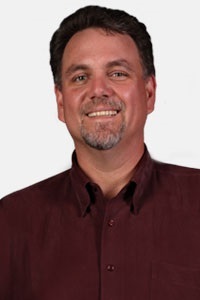
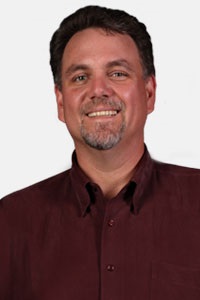
- N. Bradley Keele, PhD
- Duration:
- 5 Hours 55 Minutes
- Format:
- Audio and Video
- Copyright:
- Oct 12, 2017
- Product Code:
- WDS020680
- Brochure Code:
- BHDECODE
- Media Type:
- Digital Seminar
- Access:
- Never expires.

Description
Your Complete Guide to the Uses and Side Effects of Psychoactive Medications
Psychoactive medications are an indispensable part of treating many mental health problems. Patients are often prescribed several medications from different physicians. Do you feel like you should know more about how these medications work and why they are prescribed? Knowledge about the major psychoactive drug classes will help you answer clients’ questions with greater confidence, accuracy, and effectiveness, thereby improving your delivery of patient services.
This recording gives you the tools needed to more effectively communicate with your patients and prescribers about how these medications work, their benefits, and the side effects and dangerous reactions associated with them. Learn from an expert, N. Bradley Keele, PhD, who has over 20 years of psychopharmacology research experience and teaches clinical neuroscience and psychopharmacology at Baylor University.
Credits
Faculty
N. Bradley Keele, PhD Related seminars and products
N. Bradley Keele, Ph.D., is currently Associate Professor of Psychology & Neuroscience, and Biomedical Studies at Baylor University. Prior to coming to Baylor in 1998, he was a post-doctoral fellow at the National Institutes of Health in Bethesda, MD. Dr. Keele is an expert on the neurobiology of complex emotional behaviors such as fear and anxiety disorders and depression. His lab, with support from the NIH, examines pharmacological and physiological mechanisms involved in emotional behavior and psychopathology. Dr. Keele has published over 25 peer-reviewed, primary research papers and book chapters, and has made presentations at several dozen national scientific meetings. Dr. Keele earned his B.S. degree in Psychology from Baylor, and his Ph.D. in neuroscience from the University of Texas Medical Branch in Galveston.
Speaker Disclosures:
Financial: N. Bradley Keele is an Associate Professor at Baylor University. He receives a speaking honorarium from PESI, Inc.
Non-financial: N. Bradley Keele has no relevant non-financial relationship to disclose.
Additional Info
Program Information
Access for Self-Study (Non-Interactive) Access never expires for this product.Target Audience
Psychologists, Psychiatrists, Social Workers, Counselors, Alcoholism and Drug Abuse Counselors, Nurses, Nurse Practitioners, Psychiatric Nurse Practitioners, Marriage and Family Therapists, Pastoral Counselors, Educators, Case ManagersOutline
THE “NUTS AND BOLTS” OF PSYCHOPHARMACOLOGY
- Pharmacokinetics
- Pharmacodynamics
- Preclinical and clinical trials
- FDA approved and off-label use
HOW THE NERVOUS SYSTEM WORKS
- Neurons: building blocks of brain and behavior
- Neurotransmission: transmitters and receptors
SEDATIVE-HYPNOTICS, ANXIOLYTIC, AND ANTICONVULSANT MEDICATIONS
- Benzodiazepines and barbiturates
- Anticonvulsants
- New research findings in behavioral methods that permanently extinguish fear
ANTIDEPRESSANT MEDICATIONS
- Tricyclics and SSRIs
- SNRIs and new generation Antidepressants
- Depression is not a “chemical imbalance”: The neurogenic hypothesis
- New research on the short-term Antidepressant effect of ketamine (aka “Special K”)
CASE STUDIES
- When should Antidepressants be continued indefinitely?
- Can quality of life improve in treatment-resistant OCD?
ANTIMANIC MEDICATIONS
- Lithium carbonate
- Anticonvulsants as mood stabilizers
- Should Bipolar illness be classified as a thought disorder?
ANTIPSYCHOTIC MEDICATIONS
- Neuroleptics
- Atypical antipsychotics
- Everything we think we know about schizophrenia is wrong
ANALGESIC MEDICATIONS
- The physiology and pharmacology of pain
- Non-opiate treatment of pain
- Opiates and the crisis of dependence
ETHICS AND SPECIAL POPULATIONS
- Drugs and society
- Is the DSM-5® hindering the hunt for new medications?
- Should children and adolescents be prescribed antidepressants?
- Elderly clients
CASE STUDIES
- Schizophrenia, Bipolar, or Schizoaffective? Does treatment depend on diagnosis?
- Childhood depression
Reviews
| 5 |
|
| 4 |
|
| 3 |
|
| 2 |
|
| 1 |
|
Overall: 3.9
Total Reviews: 12
Satisfaction Guarantee
Your satisfaction is our goal and our guarantee. Concerns should be addressed to: PO Box 1000, Eau Claire, WI 54702-1000 or call 1-800-844-8260.
ADA Needs
We would be happy to accommodate your ADA needs; please call our Customer Service Department for more information at 1-800-844-8260.
Please wait ...