
You are being redirected to PESI Rehab...

Non-Operative Shoulder Rehabilitation: Current Approaches in the Evaluation and Treatment of the Painful Shoulder
- Faculty:
- Frank Layman, PT, DPT, EdD, MTC
- Duration:
- 5 Hours 35 Minutes
- Format:
- Audio and Video
- Copyright:
- Feb 02, 2018
- Product Code:
- WDS020728
- Brochure Code:
- PTNONOPFL
- Media Type:
- Digital Seminar
- Access:
- Never expires.

Description
Specific diagnosis within the realm of shoulder pain can be problematic. It is unrealistic for a single test to make a pathognomonic diagnosis, but there are clinical tests with varying levels of sensitivity and specificity that, when clustered together, can aid the clinician in determining proper pathology. The clinician must decide between various manual techniques, exercises, modalities and adjunctive treatment techniques.
In this exciting, interactive, recording you will practice multiple specialized tests and determine how to cluster them to improve accuracy of diagnosis. You will have the opportunity to practice various mobilization and stabilization techniques to address limitations in range of motion and pain. With hands-on labs and case studies participants will be educated on current concepts in adjunctive treatment techniques, including ergonomic adaptations, which can be immediately incorporated into practice.
Credits
Faculty

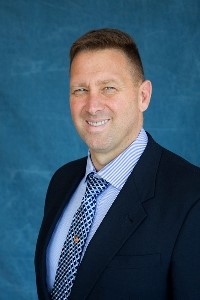
Frank Layman, PT, DPT, EdD, MTC Related seminars and products
FRANK LAYMAN, PT, DPT, EdD, MTC, has been a specialist in the field of orthopedics and sports medicine for nearly three decades. He has a vast amount of experience treating patients and athletes of all age groups and activity levels. Dr. Layman graduated with a Bachelor of Science degree in Sports Medicine/Athletic Training from Radford University, earned his Master of Science degree in Physical Therapy from Old Dominion University, and has an EdD from the University of Virginia in Curriculum and Instruction, with concentrations areas in Administration and Sports Medicine. He received a transitional DPT from the university of St. Augustine, where he obtained his Manual Therapy Certification. He also holds a certification in Dry Needling.
Dr. Layman has taught Sports Medicine courses and has been active with programs in Athletic Training, Physical Therapy, and Physical Therapy Assistance. In addition to his clinical and administrative duties and patient care responsibilities, Dr. Layman is an officer in the United States Army Reserves, an author, lecturer, consultant, adjunct faculty member (HPU-Leadership and Professionalism), and Board Member and VP of Business Development for Tapout Fitness in the Raleigh/Durham area. He is also a member of the American Physical Therapy Association, the North Carolina Physical Therapy Association, and the American Academy of Orthopedic Manual Therapy.
Disclosure:
Financial: Author of various books on the subject and receives an honorarium from Vyne Education.
Nonfinancial: No relevant nonfinancial relationship exists.
Additional Info
Program Information
Access for Self-Study (Non-Interactive) Access never expires for this product.Target Audience
Physical Therapists, Physical Therapists Assistants, Occupational Therapists, Occupational Therapy Assistants, Athletic Trainers, Massage TherapistsOutline
REVIEW OF ANATOMY AND PHYSIOLOGY OF THE UPPER EXTREMITY
- Scapula and humerus bony landmarks
- Labrum, bursa and ligaments of the shoulder joint
- Muscular involvement
CURRENT CONCEPTS IN EVALUATION
- Cervical screen
- Myotome screen
- Sensory screen
- Impingement cluster
- SLAP tear cluster
- Instability cluster
- Biceps tendon tests
- Upper limb tension tests
SCAPULA ASSESSMENT AND LAB
- Static scapula assessment and interpretation
- Scapula dyskinesia assessment and interpretation
COMMON DIAGNOSIS AND CASE STUDIES
- Rotator cuff impingement/tendonitis
- Rotator cuff tear (partial-full thickness)
- SLAP tear
- Frozen shoulder syndrome
- Shoulder instability
- Snapping scapula syndrome
MANUAL TECHNIQUES AND LAB
- Scapula mobilization techniques
- Glenohumeral joint mobilization techniques
- Handling positions for passive range of motion and manual stretch
CURRENT CONCEPTS IN THERAPEUTIC EXERCISES
- Active range of motion exercises
- Passive range of motion exercises
- Manual stretch
- Strengthening with elastic vs. weights
- Weight bearing exercises
- Proprioceptive and neuromuscular exercises
- Return to sport and/or heavy gym activity
CURRENT CONCEPTS IN ADJUNCTIVE TREATMENT TECHNIQUES AND MODALITIES
- Thermal modalities
- Electrical modalities
- Ergonomics
PULLING IT ALL TOGETHER
- Review concepts on how to evaluate, treatment plan and discharge the painful shoulder client
Objectives
- Review general upper extremity shoulder anatomy and physiology
- Analyze specialized tests to identify the pathomechanics of shoulder pain with hands on lab
- Demonstrate scapula assessment to aid in diagnosis of shoulder pain and identify muscular imbalance
- Review common shoulder diagnosis, current concepts in treatment techniques and case study presentations
- Apply current concepts in manual techniques for the treatment of the painful shoulder
- Analyze therapeutic exercises and home exercise plans
- View adjunctive treatment techniques and modalities
- Apply current concepts from evaluation to discharge
Reviews
| 5 |
|
| 4 |
|
| 3 |
|
| 2 |
|
| 1 |
|
Overall: 4.2
Total Reviews: 31
Satisfaction Guarantee
Your satisfaction is our goal and our guarantee. Concerns should be addressed to: PO Box 1000, Eau Claire, WI 54702-1000 or call 1-800-844-8260.
ADA Needs
We would be happy to accommodate your ADA needs; please call our Customer Service Department for more information at 1-800-844-8260.
Please wait ...