
You are being redirected to PESI Rehab...

School Refusal Behavior: Effective Techniques to Help Children Who Can't or Won't Go to School
- Faculty:
- George B. Haarman, PsyD, LMFT,
- Duration:
- 5 Hours 53 Minutes
- Format:
- Audio and Video
- Copyright:
- Apr 12, 2018
- Product Code:
- WDS020057
- Brochure Code:
- BHNOED2-V2
- Media Type:
- Digital Seminar
- Access:
- Never expires.

Description
Successfully Confronting School Refusal Behavior
"I don't want to go to school!" Who hasn't heard that phrase before? While we may chuckle remembering the lengths we might have taken to avoid school, there are many children who truly struggle with going to school. School refusal behavior is a real issue that is stressful for children, their families, and even school personnel. School refusal is often associated with co-morbid disorders such as anxiety or depression. Not addressing these problems carefully could result in significant effects on children’s social, emotional, and educational development.
This 1-day seminar examines the complexity of school refusal behavior and explores solutions to help children successfully return to school. Learn to perform functional analysis to determine the motivation and particular reinforcement systems that support school refusal behavior. Examine psychological disorders that may be causing/co-morbid with school refusal including separation anxiety, generalized anxiety, social phobia, panic attacks, major depression, Persistent Depressive Disorder, Disruptive Mood Dysregulation disorder, ADHD, and Oppositional Defiant Disorder. Review the latest evidence-based treatments with a focus on tailoring standard approaches to specific situations. Lastly, participants engage in several case studies and develop intervention plans for cases of school refusal.
Course Content
TRUANCY VS. SCHOOL REFUSAL
- The four significant factors in school refusal
- emotional sensitivity
- lack of parental awareness
- concurrent antisocial behaviors
- incomplete academic work
CHARACTERISTICS OF SCHOOL REFUSERS
- Prevalence
- Age, sex, race
- Associated fears
- Family history
- Associated medical conditions
UNDERLYING PSYCHOLOGICAL DISORDERS (DSM-5®) & CO-MORBID CONDITIONS
- Separation Anxiety Disorder
- Generalized Anxiety Disorder
- Social Anxiety Disorder
- Panic Disorder
- Major Depressive Disorder
- Persistent Depressive Disorder
- Attention Deficit Hyperactivity Disorder
- Oppositional Defiant Disorder
- Disruptive Mood Dysregulation Disorder
- Learning disorders
DIAGNOSTIC & ASSESSMENT ISSUES
- Multiple information sources
- Structured interviews and instruments
- Self-report and parent-teacher reports
- Direct observation
- Monitoring systems
- Diagnostic issues unique to children and adolescents
FUNCTIONAL ANALYSIS OF SCHOOL REFUSAL
- Categorical-dimensional approach
- Reinforcement contingencies
TECHNIQUES TO COMBAT AVOIDANCE OF NEGATIVE AFFECT SITUATIONS
- Negative affectivity—avoidance hierarchy
- Somatic control
- Desensitization
- Guided imagery
- Positive self-reinforcement
TECHNIQUES TO COMBAT ESCAPING AVERSIVE SOCIAL & EVALUATIVE SITUATIONS
- Social anxiety
- Lack of social skills
- Social/evaluative anxiety hierarchy
- Cognitive restructuring
- Behavioral exposure
TECHNIQUES TO COMBAT ATTENTION SEEKING BEHAVIOR
- The role of separation anxiety
- Ignoring
- Fixed routines
- Rewards/consequences
- Forced attendance
USING POSITIVE REINFORCEMENT
- Contracts
- Escorting
- Peer refusal training
TECHNIQUES FOR EDUCATORS & SCHOOL PERSONNEL
- Support and encouragement
- Structural changes
- Partial attendance strategies
- Forced school attendance
- Escort programs
TREATMENT PLANNING FOR SCHOOL REFUSAL
- Individual treatment
- Desensitization
- relaxation training
- cognitive therapy
- behavior modification
- social skills training
- Family therapy
- structural interventions
- systemic interventions
- communications
- Pharmacological intervention
- Tricyclics
- SSRIs
- beta blockers
- benzodiazipines
CASE STUDIES
- “School Makes Me Want to Throw Up”
- “Everybody There Hates Me”
- “Can’t I Stay at Home and Have You Teach Me”
- “The School of Hard Knocks”
Credits
Faculty
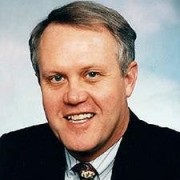
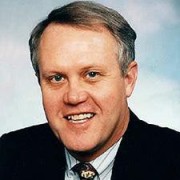
George B. Haarman, PsyD, LMFT, Related seminars and products
GEORGE B. HAARMAN, PsyD, LMFT, is a Licensed Clinical Psychologist and a Licensed Marriage and Family Therapist with over 30 years of experience. A member of the American Psychological Association and Kentucky Psychological Association, Dr. Haarman is in private practice in Louisville, Kentucky and serves as a consultant to several school systems regarding the assessment of children. For 24 years, Dr. Haarman worked in the Department of Human Services in Louisville, serving as the Deputy Director for the last 12 years of his tenure there. His prior experience with DHS included working with youth detention centers, juvenile group homes, child protective services, and juvenile probation. Dr. Haarman received his doctorate in clinical psychology from Spalding University and has been an instructor at Jefferson Community College, Bellarmine University, and Spalding University. He has presented seminars regionally and nationally on psychopathology, depression, and emotional disorders in children and adolescents. He is also the author of School Refusal: Children Who Can't or Won't Go to School and Clinical Supervision: Legal, Ethical, and Risk Management Issues.
Disclosure:
Financial-Receives a speaking honorarium from Vyne, LLC.
Nonfinancial-No relevant nonfinancial relationships exist.
Additional Info
Program Information
Access for Self-Study (Non-Interactive) Access never expires for this product.Target Audience
Psychologists, Psychiatrists, Marriage and Family Therapists, Licensed Professional Counselors, Social Workers, School Psychologists, School Counselors, Case Managers, Educators, School Administrators, School Nurses, Juvenile Justice Personnel, Probation Officers, Clergy/Pastoral Counselors
Reviews
| 5 |
|
| 4 |
|
| 3 |
|
| 2 |
|
| 1 |
|
Overall: 4.4
Total Reviews: 66
Satisfaction Guarantee
Your satisfaction is our goal and our guarantee. Concerns should be addressed to: PO Box 1000, Eau Claire, WI 54702-1000 or call 1-800-844-8260.
ADA Needs
We would be happy to accommodate your ADA needs; please call our Customer Service Department for more information at 1-800-844-8260.
Please wait ...