
You are being redirected to PESI Rehab...

Self-Injury Assessment & Treatment: Clinical Strategies When Your Client’s Answer to Pain Brings More Pain
- Faculty:
- David Kamen, PhD,
- Duration:
- 6 Hours 06 Minutes
- Format:
- Audio and Video
- Copyright:
- Sep 15, 2017
- Product Code:
- WDS020648
- Brochure Code:
- BHBREAK2
- Media Type:
- Digital Seminar
- Access:
- Never expires.

Description
Whether the behavior is cutting, burning, piercing, starving, purging, head banging, or some other method, self-harming behaviors and the emotions underlying them know no bounds with respect to race, ethnicity, age, socioeconomic class, or gender. Feeling shame and embarrassment, those who engage in self-harm may privately console themselves, or befriend other self-injurious peers – which can further intensify the lethality and suicidal intent of their acts. Studies show that professionals who work with adults and youth who self-injure find it to be one of the most challenging psychological issues to treat.
David Kamen, PhD, will equip you with practical, evidence-based tools to assess and treat deliberate self-harm, along with other co-morbid psychiatric disorders including major depressive disorder, obsessive-compulsive disorder, eating disorders, and substance abuse. Effective triage, coordination of care, and risk-management practices for your work with self-injury patients, their parents, families, and friends will be addressed. The theoretical and cultural reasons for this epidemic will be explored. Practical approaches that work for individual, group, and family psychotherapy in inpatient, outpatient, school, and community settings will be shared, along with resources to prepare professionals and caregivers to help those who engage in self-injury.
What You Will Learn
- Identify multiple theoretical perspectives and the epidemiology of self-injury
- Describe the spectrum of self-injurious behaviors in adults, adolescents, and children
- Distinguish between suicidal and self-injurious intentions and behaviors
- Explain assessment and treatment approaches from neurobiological, cognitive-behavioral, family systems, and psychodynamic perspectives
- Analyze case consultation, peer collaboration, and supervision strategies as they relate to ethical and risk management issues for self-injury patients
- Apply internet and community resources to the treatment of self-injury
Course Content
SELF-INJURY DIAGNOSIS AND TREATMENT COORDINATION
Review the spectrum of self-injurious behaviors
Epidemiology of adult and youth self-injury
Triage of self-Injury, including:
- Level-of-care assessment
- Lethality risk- and protective-factor assessment
- Functional behavioral analysis of self-injury
- DSM-5® and ICD-10 diagnostic advances
- Mental status examination
- Identification and treatment of co-morbid disorders
- Treatment planning
- Coordination of care amongst mental health professionals, educators, and healthcare professionals
- Specialized clinical personality and art therapy assessment
COGNITIVE-BEHAVIORAL, NEUROBIOLOGICAL, FAMILY SYSTEMS, AND PSYCHODYNAMIC ASSESSMENT AND TREATMENT APPROACHES:
- Motivational interviewing; development of therapeutic alliance
- Exposure with response prevention to extinguish self-injurious behaviors
- Dialectical behavior therapy tactics
- Coping skills to break the habit of self-injury
- Intersubjective and interpersonal therapeutic communication techniques
- The corrective emotional experience and empathic dialogue
- Exposure and resolution of self-injury defense mechanisms
PROFESSIONAL ETHICS, CASE MANAGEMENT, AND LIABILITY RISK MANAGEMENT
- Review of bioethical and legal risk management principles, including
HIPAA compliance, duty-to-warn issues; ethical and legal dilemmas
- Tips for:
- Professional self-care
- Peer-to-peer collaboration and supervision, to prevent clinician burnout and vicarious traumatization
REVIEW OF PROFESSIONAL, PATIENT, AND CONSUMER-FOCUSED INTERNET RESOURCES AND APPS FOR:
- Self-injury psychoeducation
- Clinical assessment
- Motivational and therapeutic alliance-assessment
- Mental health case law and professional ethics websites
- Self-monitoring of self-injury thoughts, feelings, and behaviors
- Internet resources that are immediately usable for schools, parents, and clients
- Educational and therapeutic use of social networking sites
- YouTube
- Other
Who Should Attend
- Social Workers
- Counselors
- Psychologists
- Marriage and Family Therapists
- School Guidance Counselors and Educators
- Psychiatric Nurses and Nurse Practitioners
- Alcoholism and Drug Abuse Counselors
- Corrections Officers and Justice Personnel
- Case Managers
- Psychiatrists
- Primary care providers
- Emergency room staff
- Community support group leaders
- Employee Assistance Program Providers
- Pastoral Counselors
- Clergy/Chaplains
Testimonials:
Excellent material. I will be using the tools provided in practice. I would recommend this training to others.
-Hillary Klinger, Social Worker
So many valuable tools provided, well worth my time
-Barbara Mason-Palmer, MA, LPC
Will definitely look for other presentations by Dr. Kamen.
-Diana Quintana, Psychologist
Very practical examples and tools.
-Stacy Covington, LPC, Drug and Alcohol abuse Counselor
Credits
Faculty
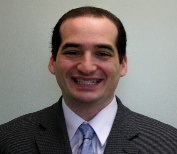

David Kamen, PhD, Related seminars and products
DAVID KAMEN, PhD, is a clinical psychologist licensed in New Hampshire and Massachusetts, where he works regularly with children and adolescents who engage in self-injurious behavior. In full-time practice for almost 15 years, Dr. Kamen makes frequent use of psychodynamic, cognitive-behavioral, and family systems approaches. As a disability examiner, certified guardian ad litem, and professional conduct investigator for the New Hampshire Board of Mental Health Practice, Dr. Kamen has also served as a forensic psychologist to address the issues of self-injury in victims of child abuse and neglect. He has presented his research at numerous professional associations and is currently writing a book on childhood self-injury.
Additional Info
Program Information
Access for Self-Study (Non-Interactive) Access never expires for this product.Target Audience
Social Workers, Counselors, Psychologists, Marriage and Family Therapists, School Guidance Counselors and Educators, Psychiatric Nurses and Nurse Practitioners, Alcoholism and Drug Abuse Counselors, Corrections Officers and Justice Personnel, Case Managers, Psychiatrists, Primary care providers , Emergency room staff, Community support group leaders, Employee Assistance Program Providers, Pastoral Counselors, Clergy/Chaplains
Reviews
| 5 |
|
| 4 |
|
| 3 |
|
| 2 |
|
| 1 |
|
Overall: 3.5
Total Reviews: 2
Satisfaction Guarantee
Your satisfaction is our goal and our guarantee. Concerns should be addressed to: PO Box 1000, Eau Claire, WI 54702-1000 or call 1-800-844-8260.
ADA Needs
We would be happy to accommodate your ADA needs; please call our Customer Service Department for more information at 1-800-844-8260.
Please wait ...