
You are being redirected to PESI Rehab...
The DSM-5: Diagnosis for Psychological and Emotional Disorders in Children and Adolescents
- Faculty:
- George B. Haarman, PsyD, LMFT,
- Duration:
- 5 Hours 48 Minutes
- Format:
- Audio and Video
- Copyright:
- Dec 30, 2015
- Product Code:
- WDS020058
- Brochure Code:
- WDBHKIDD (B)
- Media Type:
- Digital Seminar
- Access:
- Never expires.

Description
Provide the Most Current and Accurate Care Today
The DSM-IV was published in 1994 and updated by the APA's DSM-IV-TR in 2000. Since then the DSM has become the "gold standard" and the "mental health bible" for those practicing in mental health. With the publication of the DSM-5 in May 2013, the new standard for the diagnosis of Psychological and Emotional Disorder has been established. Some disorders are eliminated completely; others are reclassified; and some are subsumed under other disorders. New classifications are also established to clarify appropriate diagnostic criteria and allow for more effective treatment planning. Many of these have generated considerable controversy and debate among health care professionals, even before the manual's release. Other disorders are undergoing minor changes in order to reflect the current thinking and new research available. It is imperative that all mental health professionals update their understanding of the APA's new edition of the DSM to effectively identify, diagnose, and classify behavioral and mental health issues in individuals.
While providing a brief overview of the changes adopted in the DSM-5, this workshop focuses on diagnosis for children and adolescents. Because the DSM-5 is organized in sequence with the developmental lifespan, the disorders previously addressed in a single "infancy, childhood, and adolescence" chapter are now integrated throughout the manual. Therefore, accurately diagnosing children and adolescents is more important than ever, as those in the mental health field look to avoid misdiagnosing and overmedicating young people. As a member of the APA and a mental health professional focusing on children and adolescents for more than 30 years, George Haarman, PsyD, LMFT, brings clarity to the forefront regarding the new classifications issued in the DSM-5 and the rationale behind those changes. Using numerous case studies, Dr. Haarman prepares each attendee to be able to provide precise assessment of young patients immediately.
Course Content
OVERVIEW OF DIAGNOSIS AND TREATMENT PLANNING
•Historical background of the DSM
•Major differences between the DSM-IV and DSM-5
•Clinical assessment and treatment planning
○multiaxial classification system
○unique factors in diagnosing children
○Level I and Level II assessments
○developing a comprehensive treatment plan
○diagnostic certainty/uncertainty
NEW DISORDERS
•PTSD in preschool children
•Temper Dysregulation Disorder with Dysphoria
•Callous and Unemotional Specifier for Conduct Disorder
•Learning Disorders
•Autism Spectrum Disorder
•Reactive Attachment Disorder of Infancy or Early Childhood
•Non-Suicidal Self-Injury
•Non-Suicidal Self-Injury Not Otherwise Specified
DISORDERS REMOVED, RECLASSIFIED, OR SUBSUMED
•Pica
•Rumination Disorder
•Feeding Disorder of Infancy or Early Childhood
•Separation Anxiety Disorder
•Retts Disorder
•Disorder of Written Expression
•Learning Disorder Not Otherwise Specified
•Childhood Disintegrative Disorder
•Asperger's Disorder
•Pervasive Development Disorder
DISORDERS TYPICALLY FOUND IN CHILDHOOD OR ADOLESCENCE
•Intellectual Functioning
•Learning Disorders
•Communication Disorders
•Autism Spectrum Disorder
CASE STUDIES 1, 2, AND 3
DISRUPTIVE BEHAVIOR DISORDERS
•Attention Deficit Hyperactivity Disorder
•Oppositional Defiant Disorder
•Conduct Disorders
•Eating Disorders
•Tic Disorders
CASE STUDIES 4, 5, AND 6
ADULT DIAGNOSTIC CATEGORIES OFTEN APPLICABLE TO CHILDREN/ADOLESCENTS
•Substance Abuse
•Anxiety Disorders
•Affective Disorders
•Adjustment Disorders
CASE STUDIES 7, 8, AND 9
Credits
Faculty
George B. Haarman, PsyD, LMFT, Related seminars and products
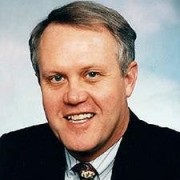
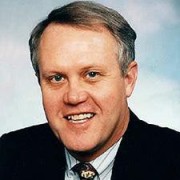
GEORGE B. HAARMAN, PsyD, LMFT, is a Licensed Clinical Psychologist and a Licensed Marriage and Family Therapist with over 30 years of experience. A member of the American Psychological Association and Kentucky Psychological Association, Dr. Haarman is in private practice in Louisville, Kentucky and serves as a consultant to several school systems regarding the assessment of children. For 24 years, Dr. Haarman worked in the Department of Human Services in Louisville, serving as the Deputy Director for the last 12 years of his tenure there. His prior experience with DHS included working with youth detention centers, juvenile group homes, child protective services, and juvenile probation. Dr. Haarman received his doctorate in clinical psychology from Spalding University and has been an instructor at Jefferson Community College, Bellarmine University, and Spalding University. He has presented seminars regionally and nationally on psychopathology, depression, and emotional disorders in children and adolescents. He is also the author of School Refusal: Children Who Can't or Won't Go to School and Clinical Supervision: Legal, Ethical, and Risk Management Issues.
Disclosure:
Financial-Receives a speaking honorarium from Vyne, LLC.
Nonfinancial-No relevant nonfinancial relationships exist.
Additional Info
Program Information
Access for Self-Study (Non-Interactive) Access never expires for this product.Target Audience
Psychologists, Psychiatrists, Psychiatric Nurse Practitioners, Marriage and Family Therapists, Licensed Professional Counselors, Social Workers, School Counselors, School Psychologists, Alcoholism and Drug Abuse Counselors, Children and Family Counselors, Case Managers, Hospital Pediatric Counselors , Behavioral Health Managers, Mental Health Nurses, Pastoral Counselors
Reviews
| 5 |
|
| 4 |
|
| 3 |
|
| 2 |
|
| 1 |
|
Overall: 4.7
Total Reviews: 10
Satisfaction Guarantee
Your satisfaction is our goal and our guarantee. Concerns should be addressed to: PO Box 1000, Eau Claire, WI 54702-1000 or call 1-800-844-8260.
ADA Needs
We would be happy to accommodate your ADA needs; please call our Customer Service Department for more information at 1-800-844-8260.
Please wait ...