
You are being redirected to PESI Rehab...

Vestibular Rehabilitation Workshop: Evaluation & Treatment Strategies for Vertigo, Dizziness, & Balance Disorders
- Faculty:
- Colleen Sleik
- Duration:
- 12 Hours 17 Minutes
- Format:
- Audio and Video
- Copyright:
- Oct 02, 2017
- Product Code:
- WDS020677
- Brochure Code:
- PTDZY
- Media Type:
- Digital Seminar
- Access:
- Never expires.

Description
Vestibular rehabilitation is a very successful intervention that can change a person’s life in as little as one treatment for BPPV, and two weeks for other types of dizziness. This hands-on, intensive 2-day seminar trains clinicians to develop clinical decision-making skills, determine who can benefit from vestibular rehabilitation, assist in therapy diagnosis and treatment strategies, and provide skilled treatment to improve the lives of many. Wrapping up, we will review documentation, goal-writing, and Medicare Functional Limitation Reporting G-Codes, as well as case studies of common findings and problem-solving approaches for the challenging patient.
This comprehensive training workshop includes diagnostic and treatment strategies for:
- Benign paroxysmal positional vertigo (BPPV)
- Post-concussion syndrome
- Vestibular hypofunction
- Vestibular neuronitis
- Labyrinthitis
- Meniere’s disease
- Endolymphatic hydrops
- Acoustic neuroma
- Cervicogenic dizziness
- Central/neurological dizziness
- Vestibular migraine
- Post-concussion syndrome
- Multiple sclerosis
- TIA/CVA
- Orthostatic hypotension
- Postprandial hypotension
- Nystagmus
DAY 1: VESTIBULAR REHABILITATION ESSENTIALS
ANATOMY & PHYSIOLOGY OF PERIPHERAL & CENTRAL VESTIBULAR SYSTEMS
CATEGORIES OF VERTIGO (INCLUDES MECHANISM, REPORT OF SYMPTOMS, PRESENTATION, PATIENT EDUCATION, & TREATMENT OF CHOICE)
- Benign paroxysmal positional vertigo
- Vestibular hypofunction
- Vestibular neuronitis
- Labyrinthitis
- Meniere’s disease
- Endolymphatic hydrops
- Acoustic neuroma
- Cervicogenic dizziness
- Central vertigo
- Vestibular migraine
- Post-concussion syndrome
- Multiple sclerosis
- TIA/CVA
- Orthostatic hypotension
- Postprandial hypotension
OCULOMOTOR EXAM TO ASSESS FOR CENTRAL FINDINGS
NYSTAGMUS
- Definition of nystagmus
- Documentation of findings
- How to recognize and name nystagmus
BPPV ASSESSMENT & PROPER DOCUMENTATION
- Lab: Clearing cervical spine for safety
- Vestibular positional assessments
- Modified vertebral artery test
- Sharpe-Purser test
- Recognizing peripheral vestibular dysfunction
- Head thrust test
- Recognizing vestibular imbalance
- Head thrust test
- Head-shaking nystagmus tests
- Positional assessment for BPPV in anterior, posterior and horizontal canals
- Hallpike-Dix test
- Modified Hallpike-Dix test
- Roll test
- Bow and lean test
- Multiple canal BPPV assessment, findings and treatment approach
BPPV TREATMENT: PURPOSE & TECHNIQUE
- Epley maneuver
- Semont/Liberatory maneuver
- BBQ roll
- Quick BBQ roll
- Appiani
- Cassani
- Gufoni
- Post-treatment movement restrictions -discussion of research
- Half somersault
- Brandt-Daroff exercises
ATYPICAL FINDINGS FOR BPPV
CLINICAL DECISION-MAKING
- Sample exam findings
- Determining diagnosis and treatment
- Demonstration of assessment and treatments
VIDEO DEMONSTRATION: NYSTAGMUS
Day 1 Objectives
- Describe the anatomy and physiology of the vestibular system in a way that patients will understand
- Discuss prognosis, treatment duration, and outcome for each type of dizziness (BPPV, vestibular hypofunction, central/neurological dizziness, cervicogenic dizziness, post-concussion syndrome)
- Perform oculomotor exam and understand findings
- Perform assessment techniques to identify BPPV, vestibular hypofunction, central vertigo and balance disorders
- Perform canalith repositioning techniques for BPPV
- Analyze findings of oculomotor exam and positional assessment to determine a vestibular diagnosis
DAY 2: VESTIBULAR REHABILITATION IN ACTION
CERVICOGENIC VERTIGO
- Findings from examination
- Treatment approach
POST-CONCUSSION SYNDROME
- Findings from examination
- Treatment approach
CENTRAL VERTIGO
- Findings from examination
- Video assessments
VESTIBULAR HYPOFUNCTION
- Findings from examination
- Treatment approach
- Clinical practice guidelines
VESTIBULAR REHABILITATION, SENSORY INTEGRATION, & BALANCE STRATEGIES
VESTIBULAR FUNCTIONAL ASSESSMENTS & DOCUMENTATION
- Habituation: motion sensitivity quotient
- Dynamic visual acuity
- Balance: modified clinical test of sensory integration in balance, dynamic gait index
- Gait speed: preferred and fast
- Five time sit to stand
- Musculoskeletal considerations
BILLING, MEDICARE FUNCTIONAL LIMITATION REPORTING, MEDICARE FALL RISK, & FLR G-CODES
DEVELOPING A TREATMENT PLAN BASED ON FINDINGS FROM FUNCTIONAL ASSESSMENTS & WRITING GOALS
CASE STUDIES
- Cervicogenic vertigo
- Post-concussion syndrome
- Central vertigo
- Vestibular hypofunction
Day 2 Objectives
- Perform vestibular functional assessments and incorporate findings into treatment
- Outline the four components of a vestibular rehabilitation program and how to progress exercises in each category
- Develop personalized, diagnosis-specific treatment approach to minimize functional limitations
- Review documentation and goals for the vestibular rehabilitation program, as well as Medicare Functional Limitation Reporting
- Review and proper billing procedures
- Analyze case studies to determine diagnosis, prognosis, treatment plan and anticipated outcomes of a vestibular rehabilitation program
Credits
Faculty
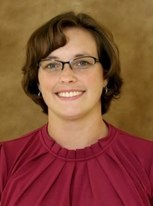
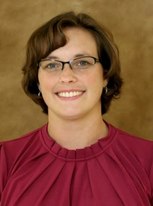
Colleen Sleik Related seminars and products
PT, DPT, OCS, NCS
COLLEEN SLEIK PT, DPT, OCS, NCS, is a licensed physical therapist with over 15 years of experience, specializing in the treatment of patients with vestibular disorders when other forms of medical management have failed. Dr. Sleik founded a private practice in 2010 with the primary focus of treating patients with vestibular conditions. She currently works as a specialist at Dickinson County Rehabilitation Services, where 90% of her caseload consists of patients with vestibular and balance disorders. She also continues to provide PRN services at local skilled nursing facilities.
Dr. Sleik graduated from The College of St. Catherine with a Master’s in Physical Therapy. She earned a transitional Doctor of Physical Therapy degree through The University of St. Augustine, Florida, then completed the Competency-Based Vestibular Rehabilitation course through Emory University in Atlanta, Georgia. In addition to being a board-certified Orthopaedic Clinical Specialist and Neurologic Clinical Specialist, Dr. Sleik is a member of the American Physical Therapy Association. She began teaching continuing education courses in vestibular rehabilitation in 2015 with the purpose of improving clinicians’ knowledge bases in the areas of vestibular rehabilitation, clinical decision-making, and ultimately the quality of patient care. Dr. Sleik’s goal as a clinician is to provide her patients with the best care available for return to daily function with minimal limitations, while also providing the tools for long-term self-management of symptoms.
Additional Info
Program Information
Access for Self-Study (Non-Interactive) Access never expires for this product.Target Audience
Physical Therapists, Physical Therapist Assistants, Occupational Therapists, Occupational Therapist Assistants, Audiologists, Athletic Trainers, PhysiciansReviews
| 5 |
|
| 4 |
|
| 3 |
|
| 2 |
|
| 1 |
|
Overall: 4.8
Total Reviews: 22
Satisfaction Guarantee
Your satisfaction is our goal and our guarantee. Concerns should be addressed to: PO Box 1000, Eau Claire, WI 54702-1000 or call 1-800-844-8260.
ADA Needs
We would be happy to accommodate your ADA needs; please call our Customer Service Department for more information at 1-800-844-8260.
Please wait ...