
You are being redirected to PESI Rehab...

Visual Rehab After Neurological Events: Seeing the World Through New Eyes
- Faculty:
- Michelle Mioduszewski, MS, OTR/L
- Duration:
- 5 Hours 38 Minutes
- Format:
- Audio and Video
- Copyright:
- Jul 13, 2018
- Product Code:
- WDS020696
- Media Type:
- Digital Seminar
- Access:
- Never expires.

Description
Identifying Visual Challenges and HOW TO TREAT THEM
How can you properly assess and make functional changes in the vision of a client who has experienced a neurological event, such as CVA or TBI? In six hours, you will explore vision and vision-related deficits that occur after such a tragedy and how to improve function and independence in your clients with the implementation of three crucial steps. First, perfect your evaluation techniques with interactive labs so that you can implement them the next day. Second, you gain new intervention strategies that include compensation and remedial-based treatments that focus on function and return to daily life. Best of all, most of these exceptional strategies will have minimal to no financial impact in the clinic. Lastly, your advocacy and care of these clients will be immensely enhanced by learning the documenting tips and tricks to justify insurance coverage. Walk away with new and ready-made tools – and a new lens – to accurately see and treat your clients.
Credits
Faculty
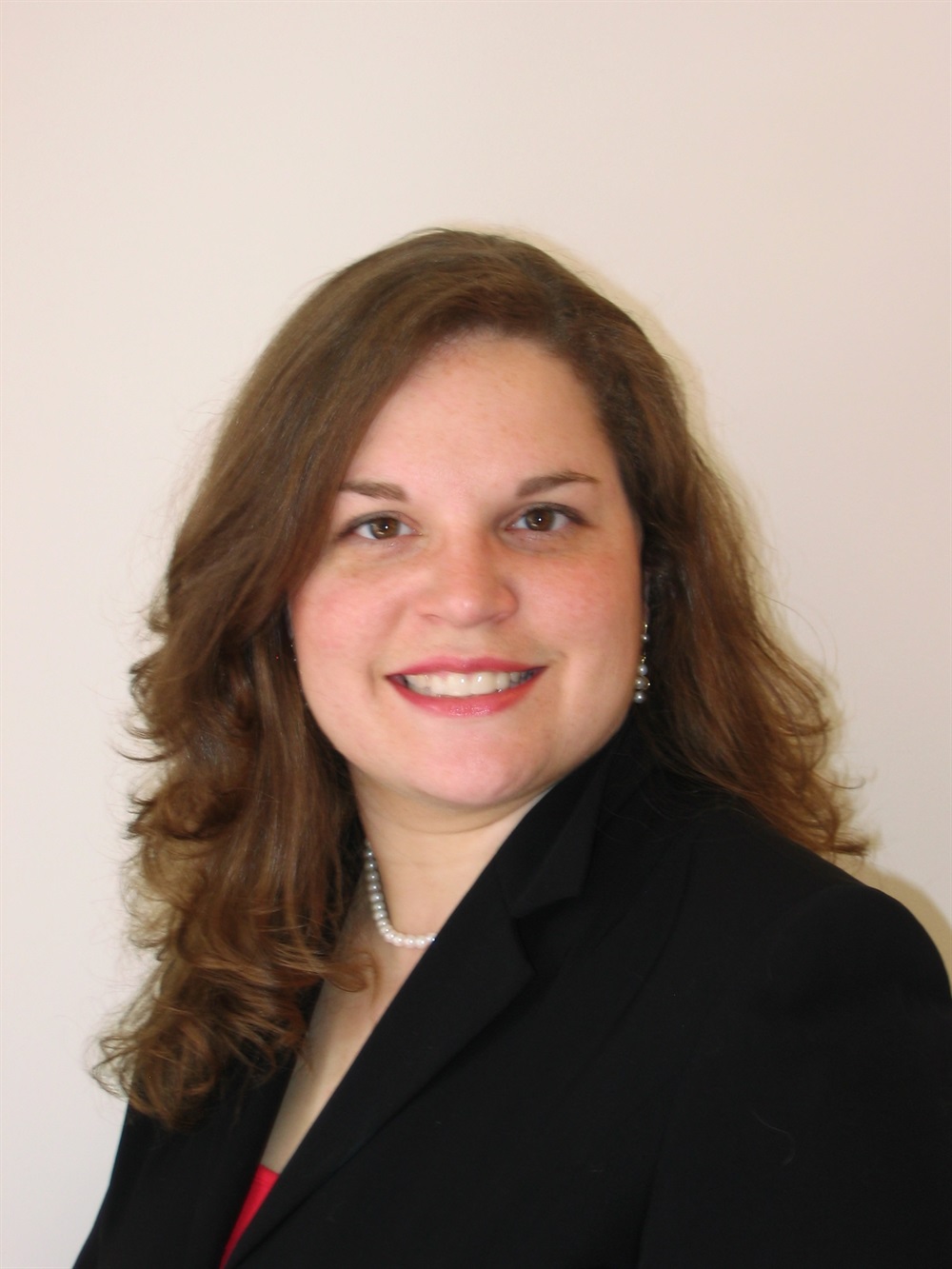
Michelle Mioduszewski, MS, OTR/L Related seminars and products
MICHELLE MIODUSZEWSKI, MS, OTR/L, has been practicing occupational therapy since 2000 in acute, inpatient rehabilitation, and outpatient settings. However, ever since her thesis work focused on the impact of FIM testing for patients with a CVA in the CMS PPS, she has made the pointed effort to work with the neurological population. Currently, Ms. Mioduszewski owns and operates Niagara Therapy, LLC, a team-oriented practice based in Erie, PA that offers OT, PT, and SLP to adults and children with neurological concerns. She is the AOTA Representative Assembly Representative for PA, National MS Society Board Member for the Clinical Advisory Committee and has National MS Society Partner in Care Designation. A graduate of D’Youville College in Buffalo, NY with a bachelor’s and master’s degree in occupational therapy, she was the youngest person to receive the Delta Sigma Award from the Marguerite D’Youville College Honor Society. Ms. Mioduszewski is NDT and NEURO-IFRAH (NDTC) Trained, Bioness Certified, REO Certified, SAEBO Certified, and specialized in vision and cognitive rehabilitation. A published writer by AOTA Press, she also teaches on topics such as IASTM, Neuro-Rehab/NDT/NEURO-IFRAH (NDTC), vision, cognition, spasticity, and complex wheelchair evaluations.
Additional Info
Program Information
Access for Self-Study (Non-Interactive)Access never expires for this product.
Target Audience
Occupational Therapists, Certified Occupational Therapy Assistants, Physical Therapists, Physical Therapists Assistants. Speech Language PathologistsOutline
VISION & VISION REHAB Terminology and concepts in vision and vision rehab Red flags Sequence of action What to do next When to refer Anatomy of the eye and brain in regard to perception and processing DIAGNOSIS: VISUAL ACUITY & VISUAL FIXATION Evaluation and screening methods Treatment and compensation strategies Visual fixation for the low functioning client DIAGNOSIS: OCULAR MOTOR ALIGNMENT & DEPTH PERCEPTION Define the issues Evaluation and lab practice Cover/Uncover test and observations Treatment and compensation strategies Lab practice Case study: treatment planning for specific examples DIAGNOSIS: VISUAL FIELD CUT & HEMI-SPATIAL NEGLECT Define the issues Differences between cut and neglect Why left neglect is more common than right Depth of daily impact on life of a client Evaluation and lab practice Confrontation Test Simultaneous Stimulus Test Pencil and paper screeners Treatment and compensation strategies Lab practice Case study: treatment planning for specific examples DIAGNOSIS: PUSHER SYNDROME/MIDLINE ORIENTATION SHIFT Define the issues Evaluation and lab practice Treatment and compensation strategies Lab practice using NDT and NEURO-IFRAH (NDTC) principals Case study: treatment planning for specific examples Wheelchair and bed positioning to rehabilitate DOCUMENTATION & ADVOCACY FOR COVERAGE Identify objective data to document and show improvement Developing goals to justify insurance coverageObjectives
Review the basic concepts of vision rehabilitation and how to support the therapeutic intervention in documentation Demonstrate manual evaluation skills for ocular motor alignment and depth perception Describe interventions for ocular motor alignment and depth perception Demonstrate manual evaluation skills for visual field cut and hemi-spatial inattention Recommend interventions for visual field cut and hemi-spatial inattention Apply manual evaluation skills for mid-line shift syndrome List interventions for mid-line shift syndromeReviews
| 5 |
|
| 4 |
|
| 3 |
|
| 2 |
|
| 1 |
|
Overall: 3.5
Total Reviews: 136
Satisfaction Guarantee
Your satisfaction is our goal and our guarantee. Concerns should be addressed to: PO Box 1000, Eau Claire, WI 54702-1000 or call 1-800-844-8260.
ADA Needs
We would be happy to accommodate your ADA needs; please call our Customer Service Department for more information at 1-800-844-8260.
Please wait ...